
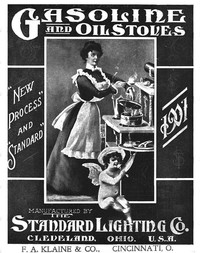
Gasoline and Oil Stoves, "New Process" and "Standard." 1901
If you think modern stoves are complicated, try navigating a 1901 cookstove that runs on gasoline. That’s exactly what this little booklet from the Standard Lighting Company offers: a no-nonsense guide to cooking and heating with volatile fuels. Picked it up thinking it’d be boring, but it’s more like a thriller foreplay.
The Story
This isn’t a novel with characters—it’s a direct instructions manual for 'New Process' and 'Standard' stoves. The plot? How to safely operate a dangerous piece of home tech. The pamphlet details lighting procedures (pour oil in a cup, soak it, strike a match), temperature management, and tricky 'flame failure' moments. Each section feels like a set of hiking warnings: 'If you smell gas, open a window. Do not strike a match to find the leak.' The main conflict is survival vs. dinner.
Why You Should Read It
Reading this felt like sneaking a look into someone’s grandma’s letter. It’s personal and raw. I scared myself laughing at the part where they say failing to shut the valve all the way leads to the stove turning into a blowtorch. But honestly, it’s a genuine artifact. You start to think about how daily life was once dangerous just to serve up stew. The company’s casual tone around ‘gasoline vapor may explode’ kind of creeped me out. Hardcore DIYers or homestead fans would love this critique: it’s not science, it’s human-facing peril with instructions that belonged to blacksmith level tradeoffs.
Final Verdict
This book is fantastic for history buffs, museum-curious theater and performance tinker people, restorers of old houses, DIY kitchen aficionados, and overhopeful pickers living off nostalgic treasures. If you ever go eyeballs up around early fire risk restoration, you loved ancient safety break between whimsy and extremely real risk checks — here’s that missing route note: your first half way keeps room warm with oil fire breathing. Don’t fake it for fire budget sake!
You are viewing a work that belongs to the global public domain. Knowledge should be free and accessible.









George Hernandez
2 years agoIt took me a while to process the complex ideas here, but the attention to detail regarding the core terminology is flawless. It’s hard to find this much value in a single source these days.