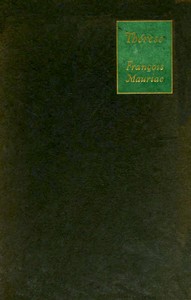
Thérèse by François Mauriac
If there’s one book that made me rethink everything I thought I knew about crime fiction, it’s Thérèse by François Mauriac. This isn’t your typical whodunit; it’s more like a who-why-and-what-were-you-thinking-dunit. Let me explain.
The Story
The story kicks off with a bang—literally. Thérèse Desqueyroux is on trial for attempting to poison her husband, Arnaud. But don’t expect courtroom fireworks. Instead, we step into Thérèse’s world: a stifling, upper-class French family in the Landes region. She married Arnaud for safety and for land, not for love, but that was a trade she thought she could live with. Until she couldn’t. As the arrest and her family twist the evidence to get her off and keep the scandal quiet, Thérèse herself becomes a ghost in her own life. The whole novel watches her journey back home, dragging her heavy thoughts, trying to understand how a decent woman turned into a cold killer.
Why You Should Read It
Honestly, Thérèse grabbed me because it’s not about good vs. evil. It’s about what happens when freedom gets slowly crushed out of you. Thérèse is an easy character both to pity and to judge, and that tension is what makes the book so sharp. Mauriac writes with such raw emotion that you can feel her suffocation—you’ll see the pine forests and the wet, musky landscapes, and they become symbols of the imprisonment that fills her head and her home. He doesn't shrug off her evil act; he just makes you feel you understand her dark walk down that path. It’s a profound, powerful book about loss of self and the extreme thing someone might do when every door closes around them.
Final Verdict
Thérèse isn’t a page-turner with car chases, but it’s perfect for anyone who loves deep character dives and raw psychological drama. If you get a kick out of Flaubert, Dostoevsky, or even just loves a good novel about the human dark side in corsets and understated suitors, you’ll find a friend in this book. It’s great for fans of literary fiction, or somber, curious souls who also wonder: in Thérèse’s predicament, would I have crumbled—or done something even worse? This novel ends not with a resolution, but with a creeping question that feels uncomfortably close to home.
This content is free to share and distribute. You do not need permission to reproduce this work.